Sun, Moon & Planets
Tabula Selenographica
The Moon in two hemispheres, under both its rival sets of names.
- Chart
- Tabula Selenographica
- Plate
- Tabula Selenographica
- Astronomer
- Johann Gabriel Doppelmayr
- Date
- c. 1707
- Held by
- raremaps.com · via Wikimedia Commons
Format
The full-resolution scan, color-managed to the source — yours to print, study, and explore.
Size
$29.00
The story
See it on your wall
A window onto the heavens, in your home
Tabula Selenographica printed large and framed, hung in rooms like yours. Every edition ships ready to become the piece the room is built around.




About this reproduction
- A faithful reproduction of a public-domain chart held by raremaps.com · via Wikimedia Commons — the work is centuries out of copyright.
- Printed to order on EMA matte art paper, 200gsm. Framed pieces sit in a box frame under acrylic, with no mount (gold-ink editions on specialist press).
- Color-managed to the source scan; we correct nothing and invent nothing.
- Ships in 5–10 business days, rolled in a heavy-wall tube (framed pieces ship flat-packed).
- If it arrives less than perfect, we reprint or refund — your choice.
Why our charts cost more than a poster: we print from the highest-resolution scans in existence, at sizes where the engraving itself becomes visible — the gold figures, the tiny stars, the cartouches — on a matte sheet that shows every line without glare.
From the same astronomer
1742
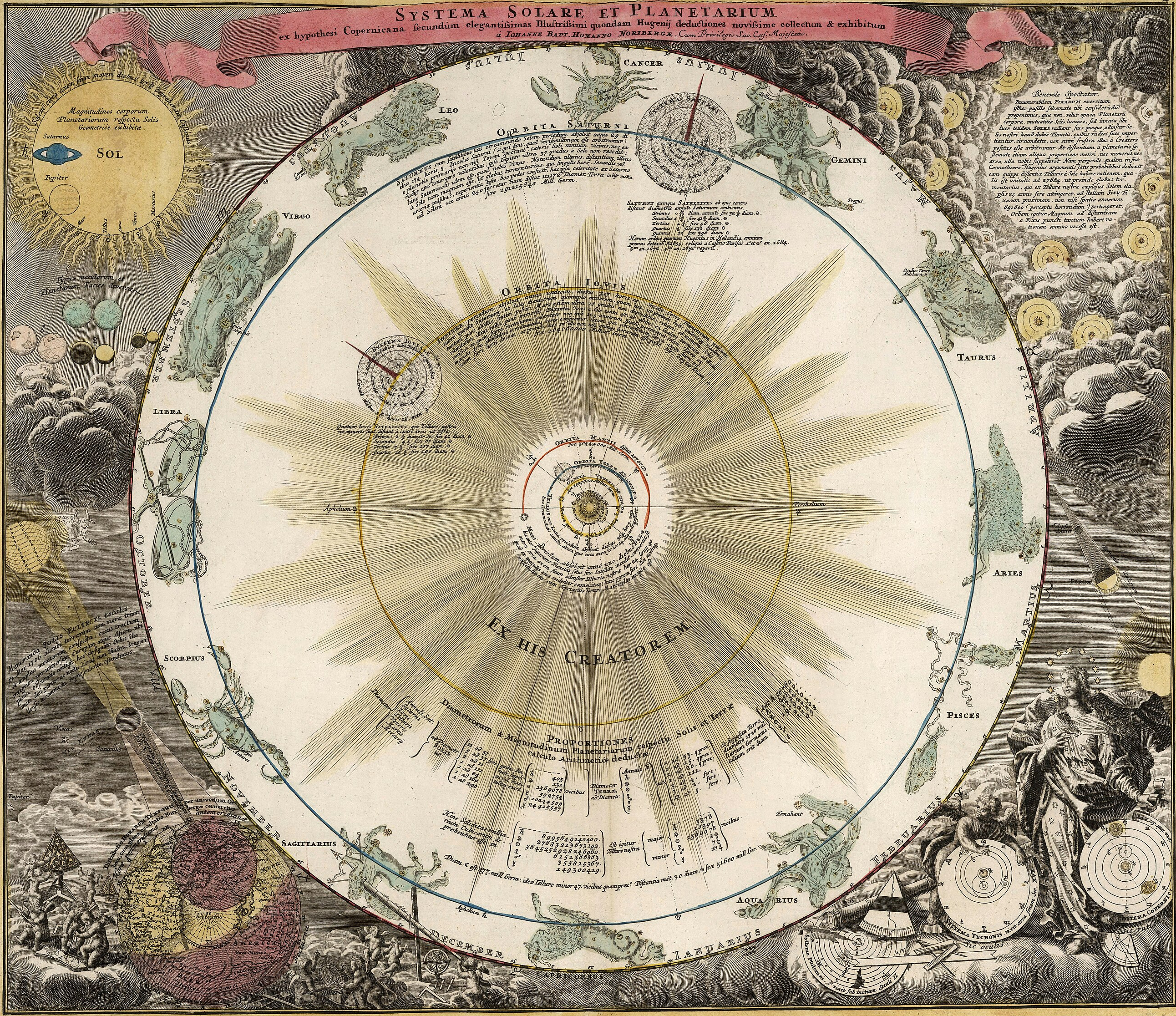
The Solar System
The Sun-centred cosmos, engraved as a jewelled machine.
Systema Solare et Planetariumas engraved 1742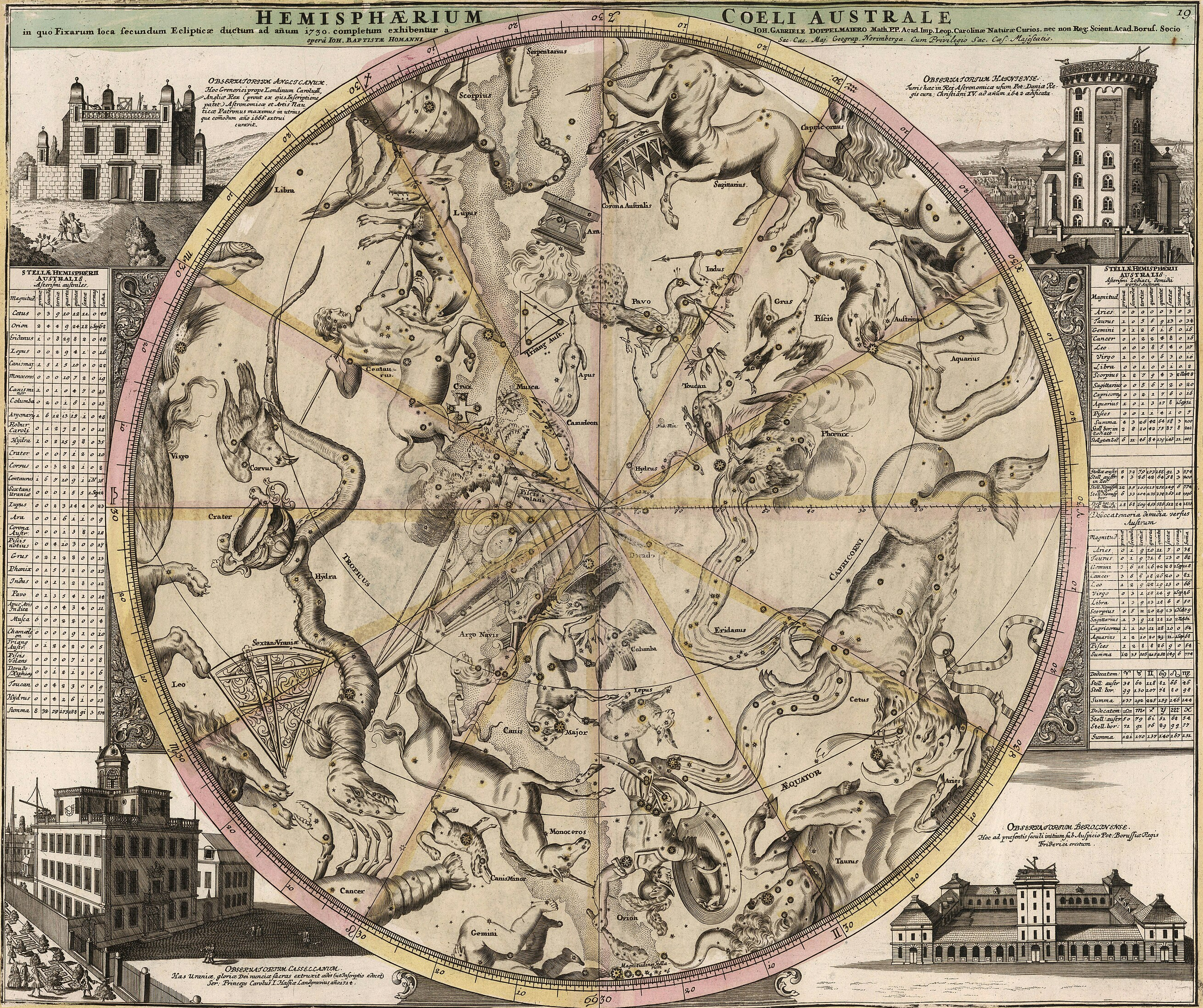
1742
The Southern Star Hemisphere
The far southern sky, gathered into one ornamented disc.
Hemisphaerium Coeli Australeas mapped 1742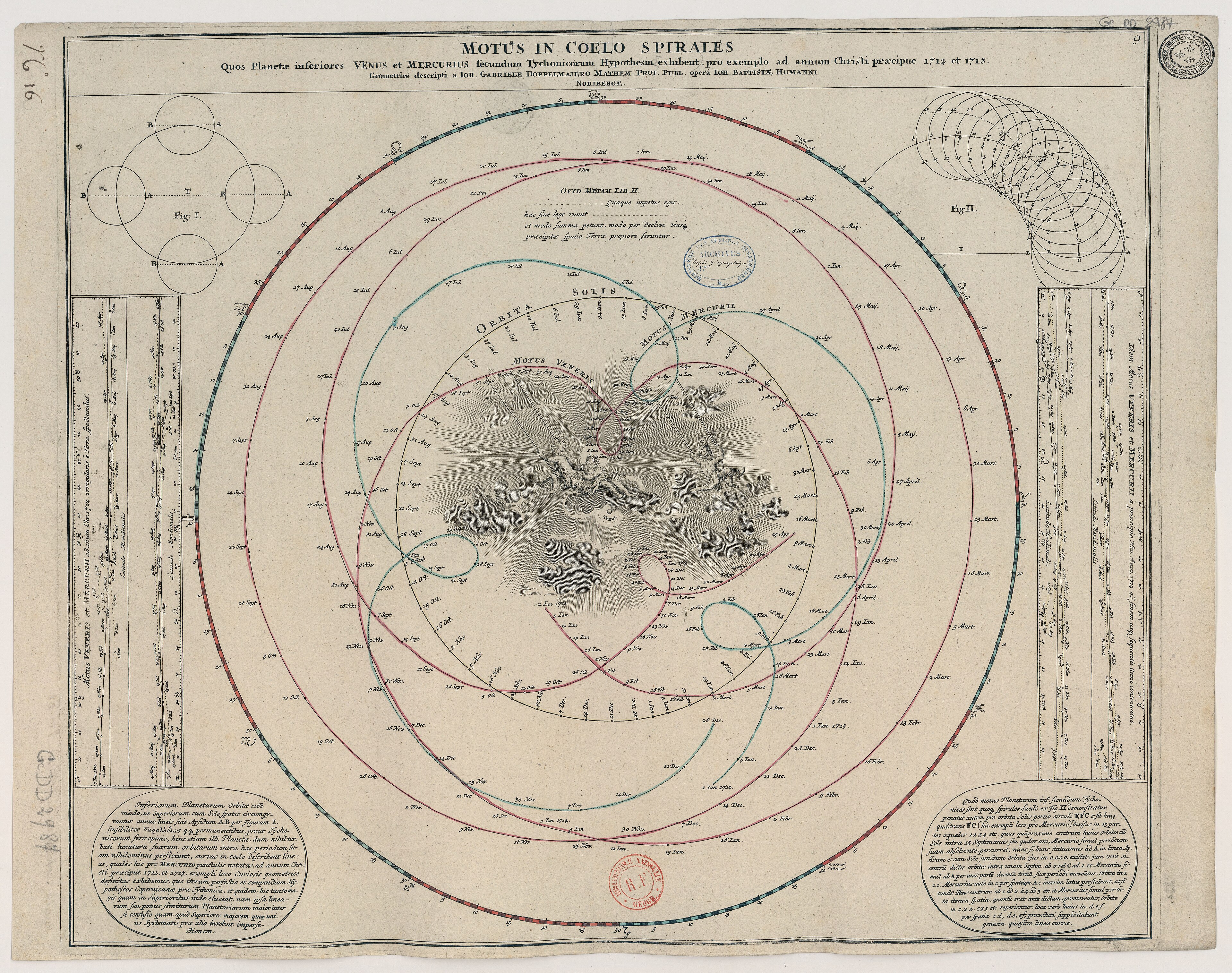
1742
The Spiral Motions of the Planets
The wandering planets, traced as hypnotic looping spirals.
Motus in Coelo Spiralesas engraved 1742